
Language activities
Explore different languages and alphabets across the world
Languages are systems of communication that characterize a place and its culture. By learning languages we build bridges that connect us to other countries, cultures, and people - and ultimately to the world. When we start learning a new language we begin to not only study vocabulary and grammar, but also pick up on specific expressions and ultimately discover new ways of thinking and articulating our thoughts. Here is a brief journey through languages, dialects and alphabets from around the world to inspire your foreign language learning!

Good morning!
A phrase so common we all say daily: though it sounds different around the world, we all share its meaning - have a good day!
Listen to different English accents
Did you know that people who speak English as native language can sound different in different parts of the world? Their accent differs from country to country, but also in different parts of each country people can sound different.
Do you know anyone who speaks English as native language in one of the countries listed below? How do they speak? Can you spot any differences?
“Languages open doors to other cultures”
— Maria Ploumaki Bigler

Explore alphabets
Some languages share alphabets, whilst some others have their own. Many languages in Europe and the Americas, as an example, share the Latin alphabet (A, B, C, D, E, F...). Such languages include English, French, German, Italian, Spanish, Portuguese, Swedish, Dutch.
Other languages have their own alphabet, for example the Greek language has its own Greek alphabet (Α, Β, Γ, Δ, Ε…). The Russian language uses the Cyrillic script (А, Б, В, Г, Д…). The Hebrew language uses the Hebrew alphabet “Ktav Ashuri” (א, ב, ג, ד, ה).
What might surprise many, is that the Chinese language does not have an alphabet, but instead uses a non-alphabetic script, with thousands of characters. Each character is composed of multiple strokes, and words are usually composed of one or two characters. There is however an anglicised way of writing in Chinese Mandarin, called ‘pinyin’.
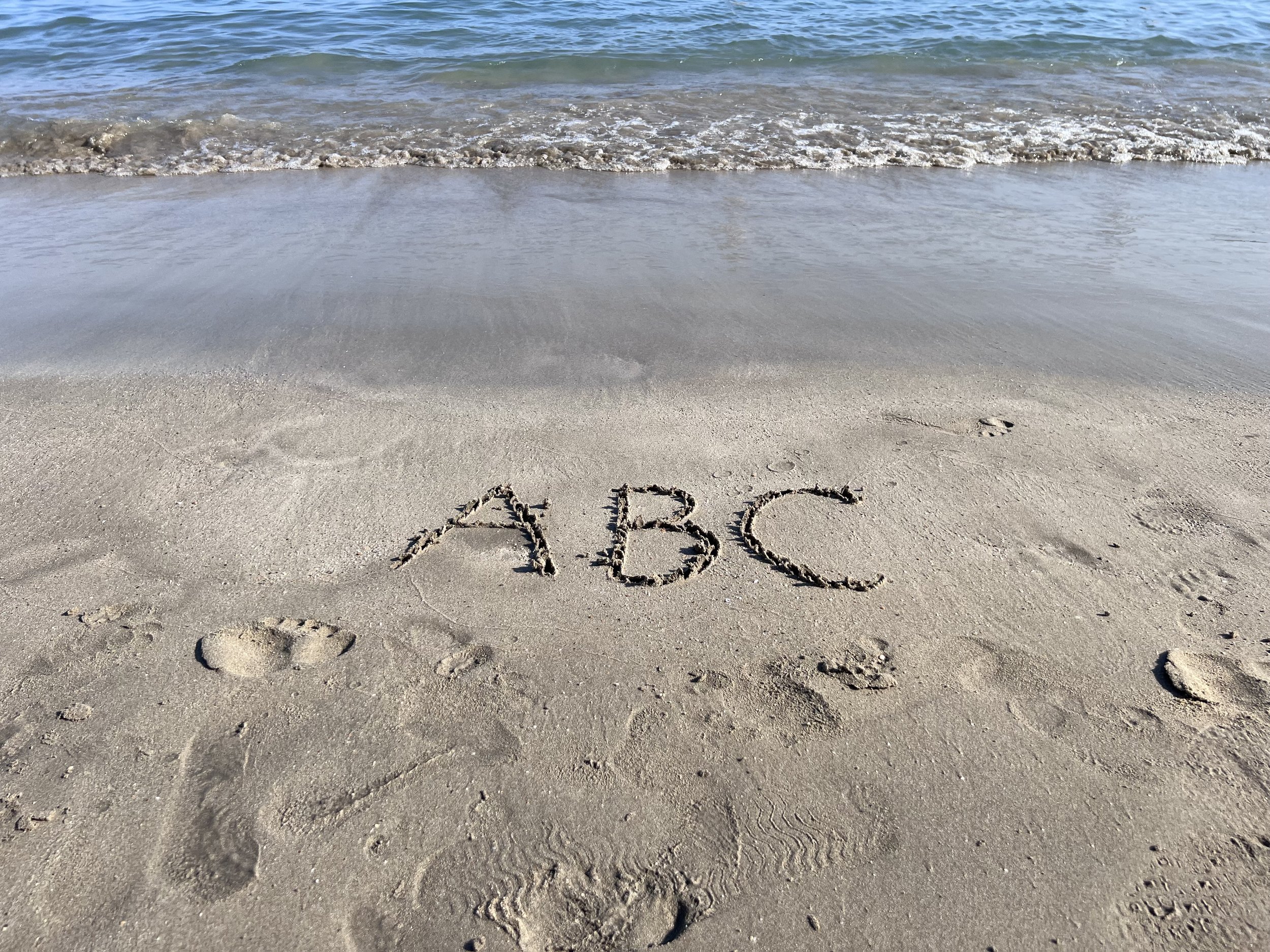
Download below the English alphabet to learn the ABCs and colour some letters!

Speaking many languages in one country
In some countries there is not just one official language, but two or more. In Switzerland for example there are four official languages: German, French, Italian, and Romansch. In Canada there is both English and French. In Luxembourg they speak both French and German, but also the local Luxembourgish.
When you visit a country pay attention to how the locals speak, ask your friends to speak to you in their native language and experience how communication takes place for them.
One language spoken in many countries
Many countries around the world share a language as the main, or one of the main official languages. Read below the case of German, French, and Spanish.
German
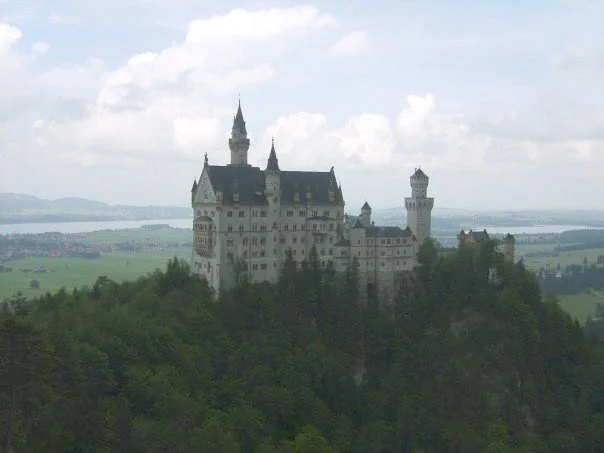
German is spoken in Germany, but also in Switzerland, Lichtenstein, Luxembourg, Austria, and Belgium as the main or one of the languages of the country. In Switzerland there is also the local dialect of Swiss-German, about which you can read more below in the dialects’s section.

French
French is the official language of France, but is also the (or an) official language of Switzerland, Luxembourg, Belgium, Monaco, Canada, some Caribbean countries such as Haiti and Guinea, and many African countries such as Cameroon, Senegal, Ivory Coast, and Madagascar.
Spanish
Do you speak the Spanish of Spain, or the South American Spanish? Though it is the same language, there is a slight difference in pronunciation of the “z” and“c”. In most of Spain their pronounciation resembles the English “th” sound, whilst in South America they sound like an “s”. Spanish is the (or an) official language in Spain, but also in many central and South American countries such as Argentina, Chile, Peru, Mexico, Bolivia, Colombia as well as the Equatorial Guinea in Africa.
Dialects
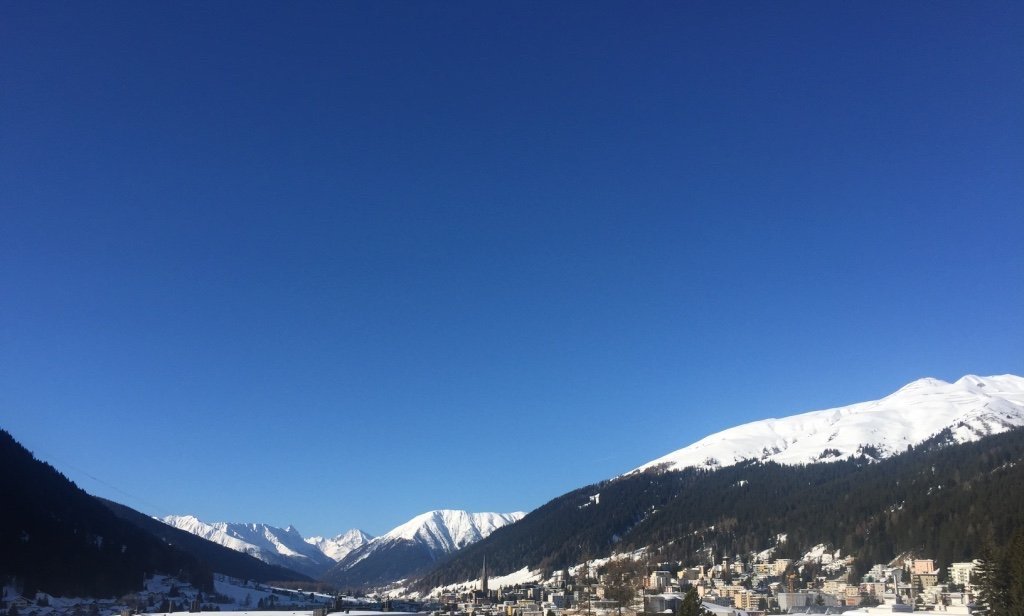
Besides the official languages, some countries or places have a local dialect. In Switzerland, for example, we have Swiss German that native speakers speak amongst themselves in the German speaking part of Switzerland.
Grüezi!
(Hello in Swiss-German)